嵌入的文件
 SHENOCHI
Introduction:
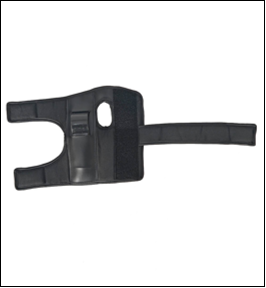
In the ongoing evolution of protective sports equipment, a quiet but powerful revolution is taking place, driven by advances in material science. For decades, the paradigm for rigid support was metal, with materials like aluminum serving as the standard for splints and braces. However, the advent of sophisticated, high-impact engineering polymers is ushering in a new era of protection that is stronger, lighter, and, most importantly, more intelligently designed to work in harmony with the human body. The D-SN-002 Plastic Wrist Guard is a prime example of this polymer evolution, showcasing how modern plastics are creating a superior, more ergonomic solution for the demanding world of snow sports.
The Problem: The Inherent Limitations of Traditional Metal Splints
While aluminum splints have provided a crucial layer of safety for years, they carry inherent limitations rooted in the nature of the material and its manufacturing processes.
The Ergonomic Compromise: Metal splints are typically manufactured by stamping or bending flat sheets of aluminum. This process is effective for creating simple, two-dimensional curves, but it struggles to replicate the complex, three-dimensional topography of the human body. The human wrist and palm are a landscape of subtle curves and contours. A simplified metal splint often fails to match this shape perfectly, resulting in an imperfect fit that can create uncomfortable pressure points, feel bulky under a glove, and fail to provide evenly distributed support.
The Thermal Disadvantage: Metal is an excellent thermal conductor. In the sub-zero temperatures of a ski resort, an aluminum splint can act as a heat sink, actively pulling warmth away from the user's hand and wrist. This constant conductive heat loss can lead to significant discomfort, reduced blood flow, decreased dexterity in the fingers, and in extreme cases, an increased risk of frostnip or frostbite.
The Issue of Permanent Deformation: While strong, aluminum is a malleable metal. A single, very hard impact from a fall can cause an aluminum splint to permanently bend. This deformation compromises its anatomical shape and its protective integrity for all subsequent falls, unless the user attempts to manually and imprecisely bend it back into shape.
Solution: The Superiority of an Engineered Polymer System
The D-SN-002 Plastic Wrist Guard represents a next-generation solution that leverages the unique and powerful advantages of modern engineering polymers to overcome these limitations.
The Science of Injection Molding and True Ergonomics:The core advantage begins with the manufacturing process. Unlike stamping metal, the "Extra Thick Splints" in this guard are created through injection molding. This process allows engineers to design and produce incredibly complex, three-dimensional shapes with absolute precision. This is the key to creating a truly ergonomic splint that can perfectly cup the palm, support the scaphoid bone, and follow the exact contours of the wrist and forearm. This anatomical precision eliminates pressure points and provides a level of integrated comfort that is difficult to achieve with metal.
The Advanced Properties of High-Impact Polymers:The "Plastic" used is not the common material found in household goods; it is a high-impact engineering polymer, such as Polycarbonate (PC) or Acrylonitrile Butadiene Styrene (ABS). These materials offer a suite of superior properties for this application:
Impact Resistance and Flexural Memory: These polymers are renowned for their toughness and ability to withstand incredible impact forces without fracturing. They also possess a "flexural memory." Unlike metal, which bends and stays bent, the plastic can deform slightly under a heavy load to absorb and dissipate the "Shock Absorption Features," and then rebound to its original, precisely engineered shape, ensuring it is ready for the next impact.
Superior Thermal Insulation: Plastic is a thermal insulator, not a conductor. This means the splint will not draw heat away from the user's hand. It remains at a neutral temperature, providing a significantly more comfortable and safer experience in freezing alpine conditions.
Lightweight Strength: Engineering plastics offer a phenomenal strength-to-weight ratio, providing the uncompromising rigidity needed to prevent wrist injuries in a much lighter package than a comparably strong aluminum splint.
Key Benefits of an Engineered Plastic Splint Design:
Superior Ergonomic Comfort: The ability to injection-mold the splints into highly complex, anatomical shapes results in a superior, body-hugging fit that eliminates pressure points and feels less bulky.
Enhanced Thermal Performance and Safety: The natural insulating properties of the polymer material prevent the splint from becoming dangerously cold, keeping the user's hand warmer and more comfortable in winter conditions.
Resilient, Multi-Impact Durability: The plastic splint's inherent "flexural memory" allows it to absorb repeated, heavy impacts without the permanent deformation that can compromise the long-term effectiveness of metal splints.
Lightweight, High-Performance Protection: The advanced polymer provides the necessary rigidity and "Impact Resistance" to prevent wrist injuries, but in a lighter form factor that reduces fatigue and enhances the feeling of mobility.
A Secure and Integrated System: This advanced polymer splint is housed in a high-performance chassis featuring an "Adjustable Design" and a "Thumb Hole Design," ensuring a perfect, secure fit that maximizes the benefits of its ergonomic shape.
Conclusion:
The relentless advancement of protective gear is a story of constant innovation in material science. The D-SN-002 Plastic Wrist Guard marks a significant step forward in this story, heralding the evolution from metal to advanced polymers. By leveraging the superior manufacturing capabilities and intrinsic properties of modern engineering plastics, it provides a solution that is not only incredibly strong and protective but is also demonstrably more ergonomic, more comfortable in the cold, and more resilient over time. It is a testament to how polymer science is shaping a safer, lighter, and more comfortable future for athletes on the mountain.

Location
NO 152, Zenglu Road, Chashan Town Dongguan City, China

Email
shenochisport@gmail.com

Phone
Carrie +86 18944754602
Nickle +86 18948618470
Gaga +86 18944763147